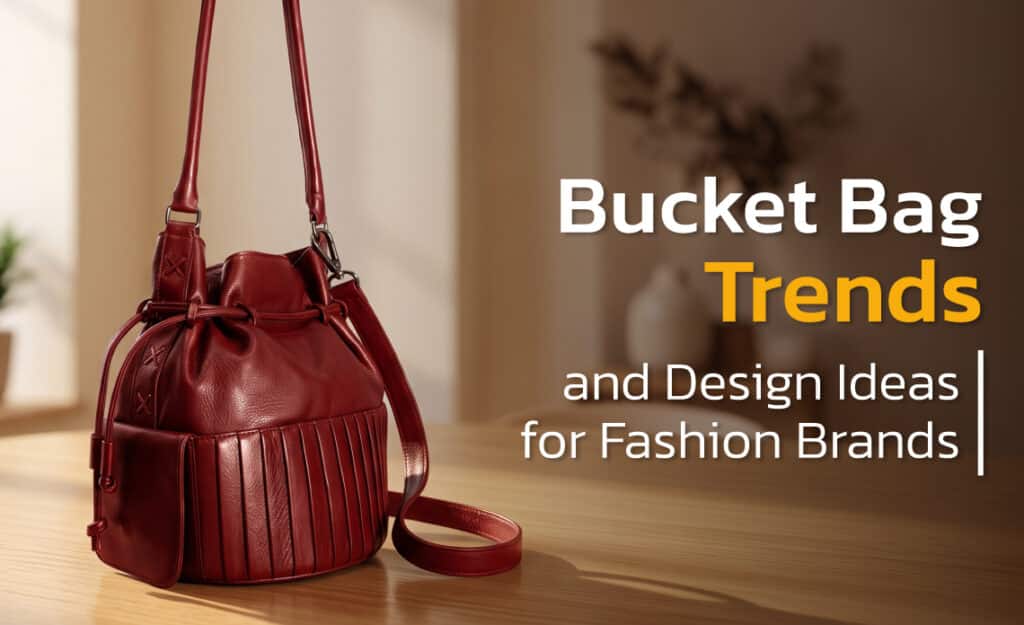

for durability, premium appeal, and long-term brand value. For fashion brands, choosing the right design and sourcing strategy directly impacts pricing, product quality, and scalability.
Whether you are launching a new collection or expanding your product line, understanding how to plan, design, and manufacture leather products is key to building a strong and profitable brand.
Popular Types of Leather Goods for Successful Collections
Choosing the right product category helps brands balance cost, margin, and market demand.
- Premium Leather Bags and Professional Totes
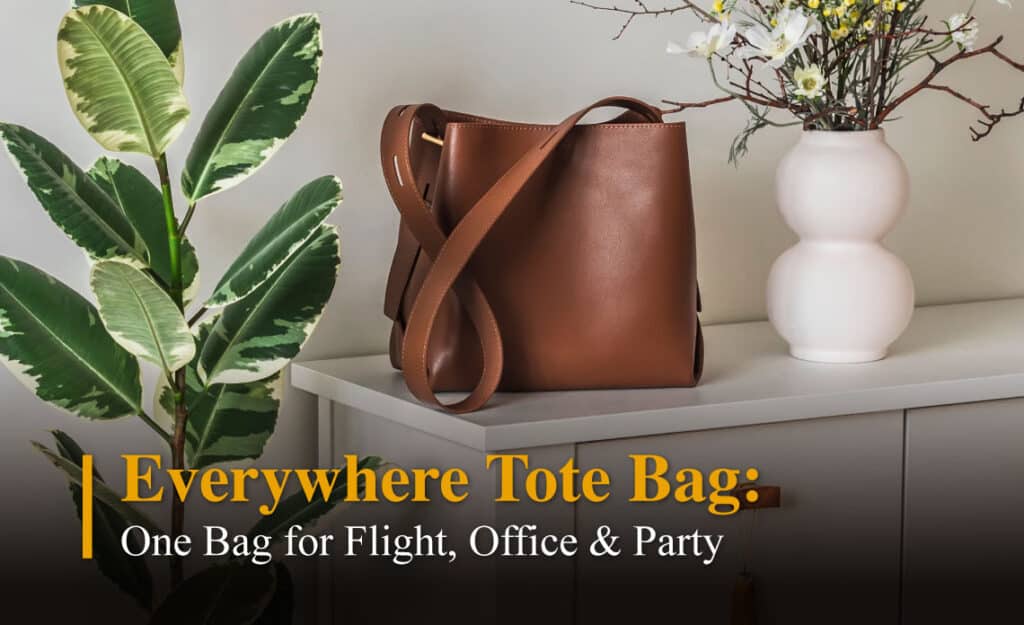
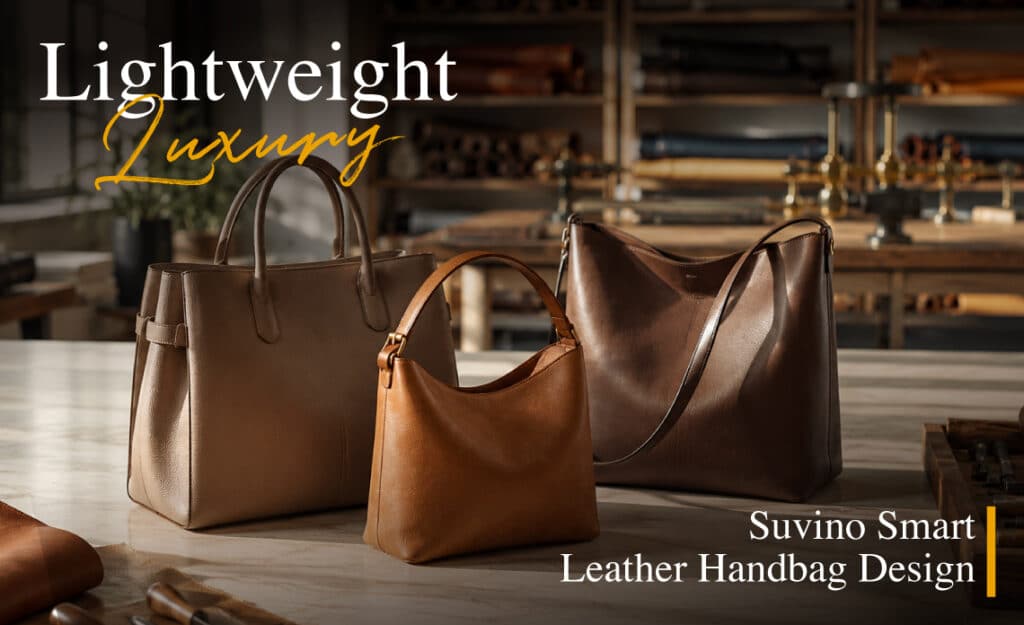
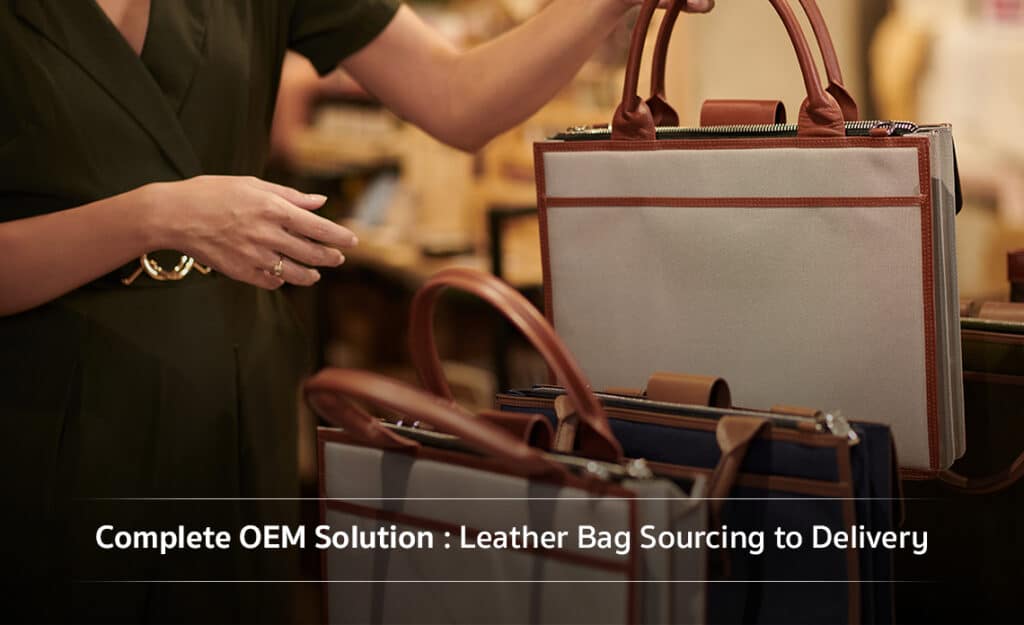
Leather bags are often the core of a brand’s identity. Products like handbags, structured totes, and work bags define how customers perceive your brand.
Tote bags, in particular, must be designed to handle weight and daily use. Strong handles, reinforced bases, and structured silhouettes are key to long-term durability.
- Small Leather Goods (SLG): The Ideal Entry Product
SLGs like card holders are ideal for high-volume sales. They offer lower production costs and faster market entry, allowing new customers to experience your brand’s quality at a more accessible price.
- Lower Production Costs and Faster Market Entry
Small leather goods use less material and have simpler construction, making them more cost-efficient for new collections.
- Strong Margins with Scalable Production
They are easier to produce in volume, allowing brands to scale faster while maintaining healthy margins.
- Building Brand Identity Through Compact Products
Even small items can communicate brand identity through details like stitching, finishing, and logo placement.
- High-Volume Sales with Accessible Pricing
Products like card holders enable customers to experience your brand at a more accessible price point, increasing purchase likelihood and repeat sales.
- Building Brand Identity Through Compact Products
Even small items can communicate brand identity through details like stitching, finishing, and logo placement.
- Luxury Wallets and High-End Tech Accessories
Wallets and tech accessories offer a balance between function and style. These products appeal to modern consumers and allow brands to expand their collections without adding significant production complexity.
Why Luxury Brands Invest in Premium Leather Goods
High-quality leather products are more than a design choice. For fashion brands, they are a strategic investment that impacts brand perception, pricing, and long-term profitability. When used correctly, premium leather strengthens both product value and market positioning.
Durability and Long-Term ROI for Brand Equity
High-quality leather offers superior durability and ages well over time. This reduces product issues and builds long-term customer trust.
Key business impact:
- Lower return and defect rates
- Higher customer satisfaction
- Stronger repeat purchase behavior
Timeless Craftsmanship
Craftsmanship adds both emotional and perceived value to a product. Details such as precision stitching, hand-painted edges, and the natural texture of leather create a premium feel that “fast fashion” cannot replicate.
From a branding perspective:
- Enhances brand authenticity and storytelling
- Strengthens long-term brand identity
- Reduces reliance on short-term trends
Sustainable Sourcing and Ethical Production
Sustainability is no longer optional. Consumers increasingly expect transparency in both materials and production processes.
Brands that invest in responsible sourcing can:
- Strengthen brand credibility
- Align with global sustainability expectations
- Reduce long-term reputational risk
Pricing Power and Premium Brand Positioning
Material quality directly influences pricing strategy. Premium leather allows brands to justify higher price points while maintaining perceived value.
Key advantages:
- Higher willingness to pay from customers
- Better margin structure
- Stronger positioning in premium segments
If you are planning to develop or scale your collection, Suvino can help you produce high-quality leather goods with consistent standards, flexible production, and expert guidance tailored to your brand.
Key Technical Considerations in Leather Goods Manufacturing
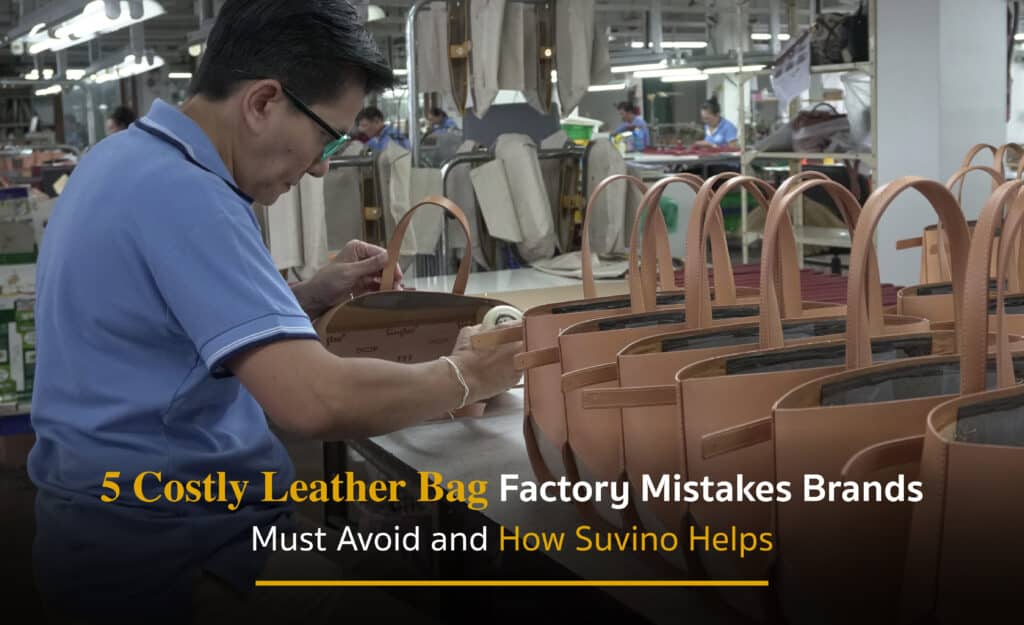
Behind every successful product is not just design, but a production system that can consistently deliver quality at scale. From our experience at Suvino, brands that understand these technical factors early will significantly reduce cost overruns, delays, and quality issues.
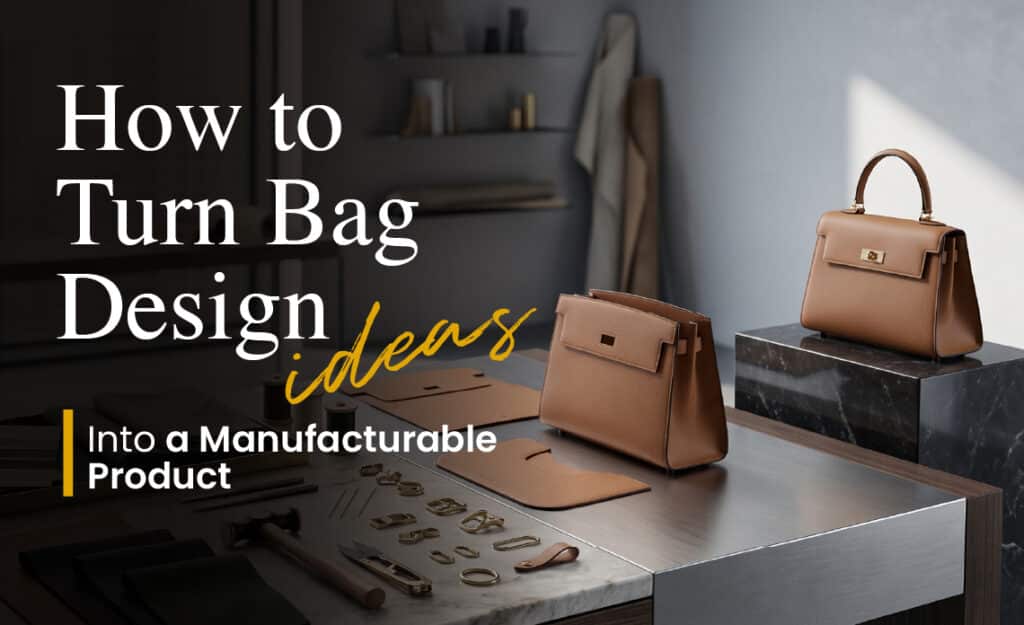
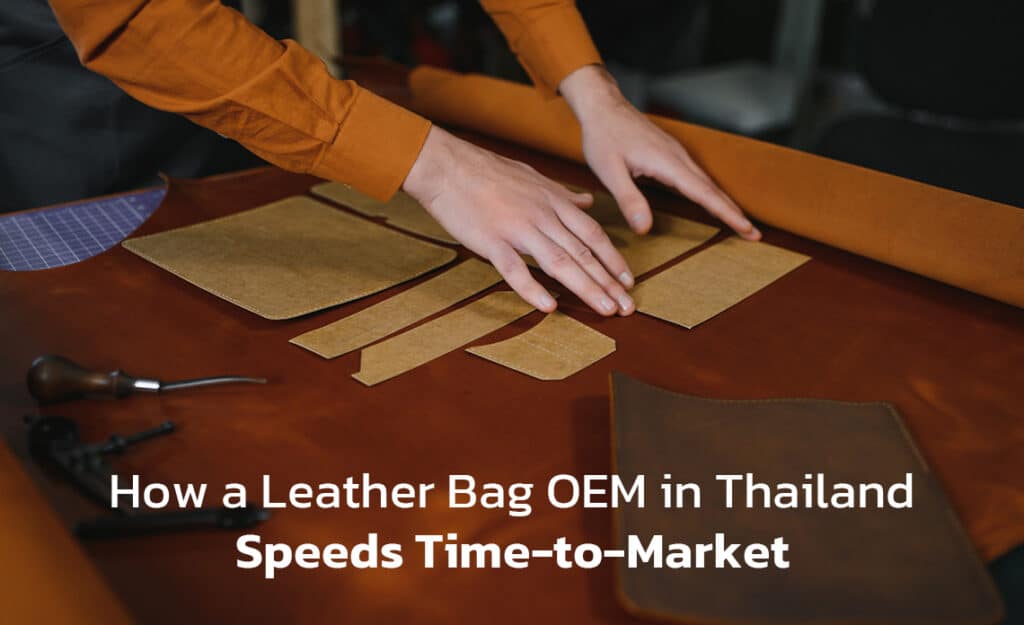
- Precision Pattern Making and Prototyping
Pattern making is the foundation of every leather product. Even a small miscalculation can lead to structural issues or material waste during production.
At Suvino, we emphasize early-stage prototyping to test:
- Proportion and usability in real-life scenarios
- Structural balance, especially for load-bearing designs
- Assembly feasibility before scaling production
- Selecting the Right Leather Grade for Your Design
Choosing leather is not only about appearance. It directly affects durability, pricing, and product positioning.
From our experience, brands should consider:
- Structure: firm leather for shape retention, softer leather for flexibility
- Surface finish: affects scratch visibility and long-term wear
- Target price point: material cost must align with market positioning
Selecting the wrong leather type is one of the most common causes of cost inefficiency and product inconsistency.
- Batch Consistency and Quality Control Standards
As brands scale, consistency becomes more important than individual product quality. A good sample is not enough if production cannot match it.
Suvino focuses on:
- Standardized QC checkpoints at every stage
- Material inspection before cutting
- Final product evaluation for stitching, structure, and finishing
This ensures that every batch meets the same standard, reducing defects and protecting brand reputation.
- Hardware Selection and Material Pairing
Hardware is often overlooked, but it plays a critical role in both function and perceived quality.
Key considerations include:
- Durability of zippers, buckles, and metal fittings
- Compatibility with leather thickness and design
- Visual alignment with brand identity
Poor hardware choices can compromise even the best leather, while the right pairing enhances both performance and overall product value.
Frequently Asked Questions
- What is the typical MOQ for leather goods production?
The typical MOQ starts from 120-200 pieces, depending on the product type, size, and construction complexity. We structure this range to help brands test the market without overcommitting inventory, while still maintaining production efficiency and cost control.
- How can brands ensure consistent quality across large production orders?
Consistency comes from having a controlled production system. At Suvino, we implement quality checks at every stage, from material selection to final inspection. We also standardize patterns and processes to ensure every piece meets the same specification, even at scale.
- Which leather type is best for beginners?
For most brands starting out, we recommend top-grain leather. It offers a strong balance between durability, appearance, and cost, making it suitable for both entry-level and premium positioning. We also help clients select leather based on their target price point and brand direction.
Suvino: Your Partner in Premium Leather Goods Production
Suvino supports brands from concept to large-scale production with a focus on quality, flexibility, and long-term growth.
- End-to-End Product Development and Consulting: From idea to prototype, every step is guided to ensure production readiness.
- Access to Thailand’s Widest Premium Leather Selection: Brands can choose materials that match both design goals and pricing strategy.
- 37+ Years of Experience in Global OEM Manufacturing: Extensive experience ensures consistent quality and smooth production for international markets.
If you are looking to build a leather bag brand with strong positioning and reliable production, Suvino is ready to support you from concept to completion. With proven expertise in leather goods manufacturing, flexible production capabilities, and a deep understanding of market demands, we help turn your ideas into leather goods that are both commercially viable and built to last.
………………………………………………………………………………………………………………
“The finest handcrafted leather goods in Thailand” – Suvino
With the widest leather selection in the country, Suvino combines refined craftsmanship and deep expertise backed by over 37 years of experience.
Address: 1 Moo 3, Tambol Lak6, Amphur Muang, Pathumthani 12000, Thailand
Map: https://goo.gl/maps/VLvXegPSNEeSacGo9
Tel: 0925969559, 025363542-3
Email: [email protected]
Facebook: suvino รับผลิตกระเป๋าหนังแท้
Inbox: https://m.me/suvinocorp